

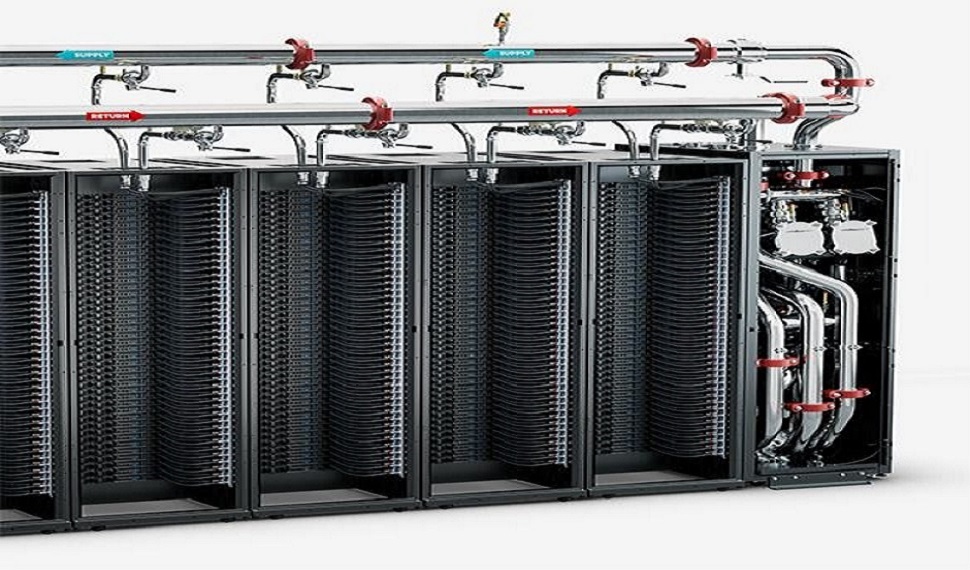
As computing power continues to surge across industries—from AI and data centers to electric vehicles and high-performance electronics—the demand for efficient thermal management has never been greater. Traditional air cooling methods are increasingly insufficient to handle rising heat densities. This shift has led to the rapid adoption of liquid cooling technology, with liquid cold plates emerging as a cornerstone in modern thermal solutions. These components are redefining how heat is managed in compact, high-performance environments, enabling systems to run faster, longer, and more reliably.
Table of Contents
What Are Liquid Cold Plates?
Understanding the Basics
A cold plate is a heat exchanger designed to remove heat from electronic components by transferring it to a circulating fluid. Unlike air cooling systems, which rely on fans and ambient airflow, a cold plate uses liquid—typically water or a specialized coolant—to absorb and carry away heat efficiently.
How They Work
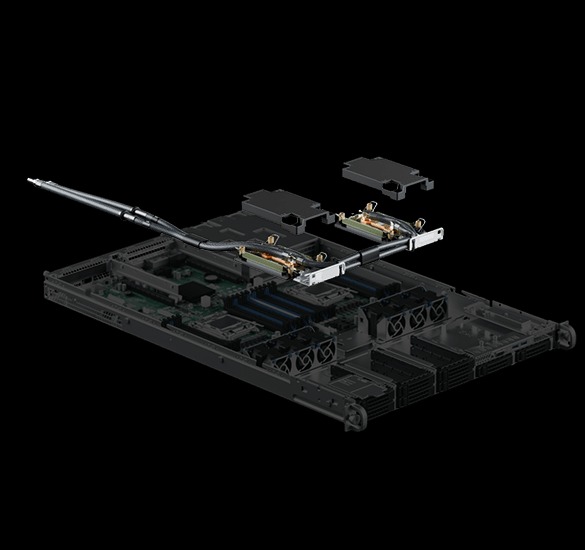
Liquid flows through internal channels within the plate, which is mounted directly onto heat-generating components. As heat transfers from the component to the plate, the fluid absorbs it and carries it away to a heat exchanger or radiator. This process significantly enhances thermal performance compared to traditional methods.
Why Liquid Cold Plates Are Gaining Popularity?
Rising Heat Densities in Modern Systems
Modern processors and GPUs generate immense heat due to increased transistor density and power consumption. In such scenarios, air cooling struggles to maintain optimal temperatures. Liquid cold plates provide a direct and efficient solution, making them indispensable in high-performance environments.
Compact and Scalable Cooling
One of the biggest advantages of cold plates is their ability to fit into compact spaces. This makes them ideal for systems where space constraints are critical, such as blade servers or embedded electronics. Additionally, they can be scaled across multiple components within a system, offering design flexibility.
The Role of Cold Plates in Data Centers
Transition to Direct-to-Chip Cooling
Data centers are among the largest consumers of energy, with cooling accounting for a significant portion. Direct to chip cooling has emerged as a transformative approach, where cooling is applied directly to processors rather than the surrounding air. This method dramatically improves efficiency and reduces energy consumption.
Energy Efficiency and Sustainability
By integrating liquid cooling technology, data centers can lower their carbon footprint while improving performance. Reduced reliance on air conditioning systems leads to lower operational costs and enhanced sustainability.
Advanced Cooling Architecture and Its Evolution
From Air to Liquid Systems
Traditional cooling systems relied heavily on airflow management, which is now being replaced by more sophisticated advanced cooling architecture. This new approach integrates liquid-based solutions, including liquid cold plates, to achieve higher efficiency.
Integration with Modern Infrastructure
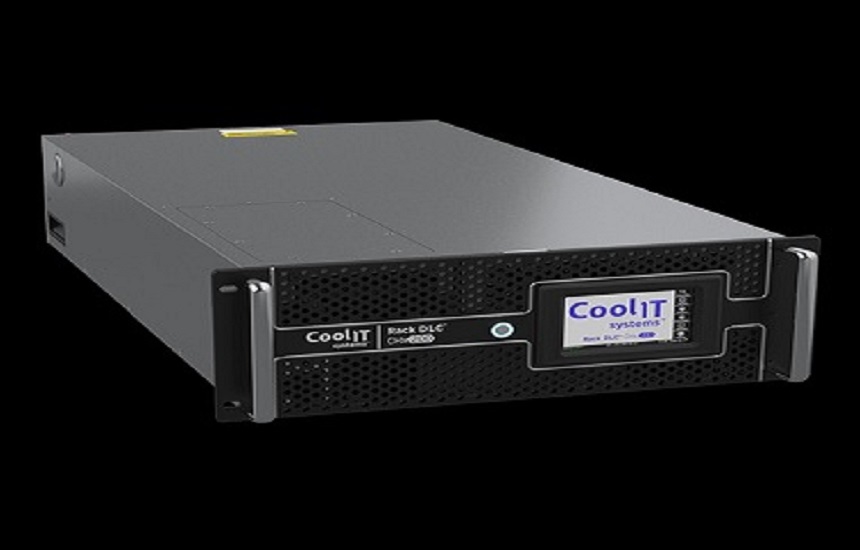
Modern cooling architectures are designed to seamlessly integrate with existing systems. This ensures minimal disruption during the upgrade to more efficient cooling solutions. Companies like CoolIT Systems have been instrumental in advancing these technologies, providing scalable and reliable solutions for various industries.
Applications Across Industries
High-Performance Computing
HPC systems require precise temperature control to maintain performance. Cold plate solutions enable consistent cooling, preventing thermal throttling and ensuring optimal operation.
Artificial Intelligence and Machine Learning
AI workloads generate significant heat due to intensive computations. Liquid cold plates help maintain stable temperatures, enabling continuous processing without performance degradation.
Electric Vehicles and Battery Systems
In EVs, thermal management is critical for battery longevity and safety. Coldplate designs are widely used to regulate battery temperatures, ensuring efficient operation and extended lifespan.
Medical and Industrial Equipment
Precision equipment in the medical and industrial sectors benefits from reliable cooling. Liquid cooling technology ensures consistent performance in sensitive applications.
Key Benefits of Liquid Cold Plates
- Superior Heat Transfer: Liquid has a higher thermal conductivity than air, making it far more effective at heat removal. This allows cold plates to handle higher heat loads efficiently.
- Reduced Noise Levels: Unlike air cooling systems that rely on fans, liquid cold plates operate quietly, making them ideal for noise-sensitive environments.
- Enhanced Reliability: By maintaining stable temperatures, these systems reduce the risk of component failure, increasing overall system reliability.
- Flexibility in Design: Modern, advanced cooling architecture enables customized designs tailored to specific applications, ensuring optimal performance.
Design Considerations for Cold Plates
Material Selection
The choice of materials, such as aluminum or copper, plays a vital role in determining the efficiency and lifespan of a cold plate. These materials offer high thermal conductivity, enabling rapid heat transfer, while also providing durability and corrosion resistance in demanding environments.
Channel Design
The internal channel design of a cold plate directly impacts fluid distribution and cooling performance. Well-optimized channels ensure uniform flow, minimize pressure drop, and maximize surface contact, resulting in efficient and consistent heat dissipation across components.
Coolant Selection
Selecting the right coolant is essential for maintaining system efficiency and reliability. Factors like thermal capacity, viscosity, chemical stability, and compatibility with materials must be considered to ensure effective heat transfer and long-term operation without degradation.
Challenges and Solutions
- Complexity in Implementation: While liquid cold plates offer numerous benefits, their integration can be complex. Proper system design and maintenance are essential to ensure optimal performance.
- Risk of Leakage: Leakage is a concern in liquid-based systems. However, advancements in sealing technologies and materials have significantly reduced this risk.
- Cost Considerations: Initial costs may be higher than those of air-cooling systems, but long-term energy and maintenance savings often outweigh the investment.
Innovations Driving the Future
- Smart Cooling Systems: The integration of sensors and AI is enabling smarter cooling solutions. These systems can dynamically adjust cooling based on workload, improving efficiency.
- Hybrid Cooling Solutions: Combining air and liquid cooling methods is becoming increasingly common, offering the best of both worlds.
- Sustainable Cooling Technologies: As sustainability becomes a priority, innovations in liquid cooling technology are focusing on reducing environmental impact in Alberta.
Conclusion
Liquid-based cooling is no longer a niche solution—it is becoming the standard for high-performance systems. As heat densities rise and efficiency becomes critical, technologies like liquid cold plates will continue to redefine thermal management. Businesses adopting these solutions today are positioning themselves for a more efficient and sustainable future. As innovation accelerates, these advanced cooling systems will play a key role in enabling next-generation computing and energy-efficient infrastructure.
FAQs
What are liquid cold plates used for?
Liquid cold plates are designed to remove heat from high-performance electronic components such as CPUs, GPUs, and power electronics. They use circulating fluid to efficiently absorb and transfer heat, ensuring stable operation and preventing overheating in demanding environments.
How is a cold plate different from air cooling?
A cold plate uses a liquid to directly absorb heat from components, offering higher thermal efficiency than air cooling. Air systems rely on fans and airflow, which are less effective for high-density heat loads and often consume more energy.
What is direct to chip cooling?
Direct-to-chip cooling is a method in which cooling systems are applied directly to processors or chips rather than to the surrounding air. This approach improves heat removal efficiency, reduces energy consumption, and supports high-performance computing systems.
Are liquid cooling systems safe?
Yes, modern liquid cooling systems are built with advanced sealing technologies and durable materials to prevent leaks. With proper design and maintenance, they offer reliable and long-term performance for critical applications.
Which industries benefit most from coldplate technology?
Industries such as data centers, artificial intelligence, electric vehicles, and medical equipment benefit greatly from coldplate solutions. These sectors require efficient thermal management to maintain performance, safety, and longevity of their systems.