A Pet Owner’s Guide to Dog Vaccinations in Encino at Every Life Stage
Oct 22, 2026
Vaccinations are an essential part of preventive veterinary care, helping protect dogs against potentially serious infectious diseases. From puppyhood through the senior years, vaccination needs change with age, health, and lifestyle. Understanding these changes helps pet owners make informed decisions about their dog’s long-term well-being.
For families planning dog vaccinations in Encino, knowing which vaccines are recommended and when boosters are necessary can make preventive care easier to manage. A veterinarian can recommend an appropriate schedule based on vaccination history, health conditions, and potential exposure to infectious diseases.
Every dog has different healthcare needs. Factors such as boarding, travel, outdoor activities, and interactions with other animals can influence vaccination recommendations. Regular veterinary visits help ensure each dog receives suitable protection throughout life.
Why Are Vaccinations Important for Dogs?
Vaccines prepare the immune system to recognize specific infectious organisms, reducing the risk of infection or serious illness. Core vaccines protect against diseases such as rabies, distemper, parvovirus, adenovirus, and leptospirosis.
Even dogs that spend most of their time indoors can encounter infectious diseases during walks, veterinary visits, or interactions with other animals. Following an appropriate vaccination schedule supports individual pet health and helps limit the spread of preventable infections.
Puppy Vaccinations: Building Early Immunity
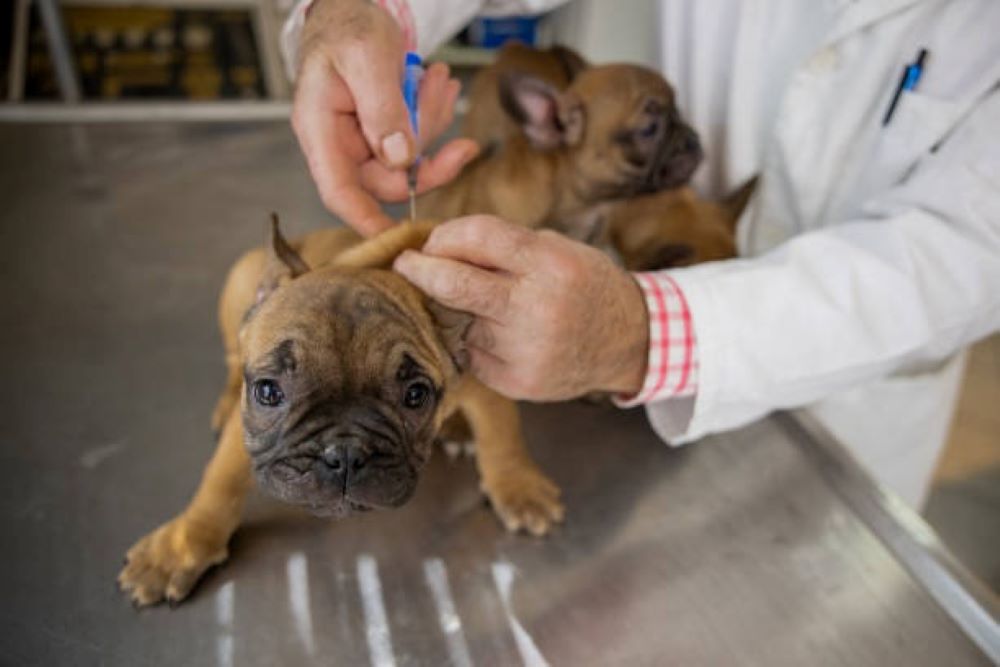
Puppies have developing immune systems and require a series of vaccinations to establish protection. Initial core vaccinations generally begin between six and eight weeks of age, with additional doses administered according to veterinary recommendations.
Which Vaccines Do Puppies Need?
Common puppy vaccinations include:
Distemper: Protects against a serious viral disease affecting multiple body systems.
Parvovirus: Helps prevent severe gastrointestinal illness.
Adenovirus: Protects against infectious canine hepatitis.
Rabies: Prevents a fatal viral disease that can affect animals and humans.
Leptospirosis: Protects against a bacterial infection that can damage the kidneys and liver.
When scheduling pet vaccinations near you, choose a veterinary provider who reviews your dog’s vaccination history, explains recommended immunizations, and provides a personalized vaccination schedule. Puppies generally receive combination vaccine doses every two to four weeks until at least 16 weeks of age.
Adult Dog Vaccinations: Maintaining Protection
Adult dogs continue to need vaccinations, although booster intervals vary. Core distemper, adenovirus, and parvovirus vaccines are generally boosted within one year after the initial series and then every three years.
Rabies vaccination follows applicable legal requirements, while leptospirosis typically requires annual boosters.
How Does Lifestyle Affect Vaccination Needs?
Dogs attending daycare, boarding facilities, or group training may benefit from additional vaccines against respiratory infections. Travel and regional exposure risks may also influence recommendations.
If you’re considering a dog vaccine near you, consult a veterinarian to determine which vaccinations are appropriate based on your dog’s lifestyle, health, and exposure risks.
Senior Dog Vaccinations: Adjusting Preventive Care
Older dogs may develop chronic conditions or experience changes in immune function. However, reaching senior age does not automatically eliminate the need for vaccinations.
Veterinarians consider medical history, current medications, previous vaccine reactions, and exposure risks before recommending boosters.
Senior dogs benefit from professional services and individualized preventive care that balance disease protection with their overall health needs. Experienced veterinarians assess each dog’s health condition and recommend appropriate adjustments to vaccination schedules when necessary.
Is this conversation helpful so far?
What Happens During a Vaccination Appointment?
A vaccination visit typically includes reviewing medical records, discussing lifestyle factors, and examining the dog’s general health before administering recommended vaccines.
When choosing a veterinary hospital near you, consider whether the facility offers personalized vaccination plans, maintains accurate medical records, and provides guidance about potential vaccine reactions.
Veterinarians may also discuss upcoming booster dates and preventive healthcare needs to help owners maintain consistent vaccination schedules.
Are Dog Vaccinations Safe?
Most dogs tolerate vaccinations well, although temporary soreness, tiredness, or reduced appetite may occur.
Serious reactions are uncommon but require immediate veterinary attention. Warning signs include difficulty breathing, facial swelling, collapse, or repeated vomiting.
Always inform your veterinarian about previous vaccine reactions or existing medical conditions before vaccination.
“Protect your dog’s health at every life stage with professional veterinary care, timely vaccinations, and personalized preventive services for long-term wellness.”
From puppy vaccines to senior dog boosters, we’re here to help. Call (818) 922-2209 or visit our website to arrange an appointment.
When should puppies receive their first vaccinations?
Puppies typically begin core vaccinations at six to eight weeks of age. Additional doses help build protection as maternal antibodies decline.
How often do adult dogs need vaccination boosters?
Booster schedules depend on the vaccine. Some core vaccines are administered every three years, while others require annual boosters.
Do indoor dogs still need vaccinations?
Yes. Indoor dogs can still encounter infectious organisms. Core vaccinations remain important regardless of lifestyle.
Can dogs receive multiple vaccines during one appointment?
Yes. Healthy dogs can often receive multiple recommended vaccines at the same appointment, although veterinarians may adjust schedules based on individual health needs.
What happens if a dog misses a booster?
Missing a booster does not always require restarting the entire vaccination series. A veterinarian can recommend an appropriate catch-up schedule.
Conclusion
Vaccinations help protect dogs against preventable infectious diseases throughout their lives. Puppies require initial vaccine series, adult dogs need appropriate boosters, and senior dogs benefit from vaccination plans tailored to their changing health. Understanding these requirements allows owners to make informed preventive care decisions.
For dog owners in Encino, routine veterinary examinations provide opportunities to review vaccination records, assess disease exposure, and discuss upcoming boosters. Working with a qualified veterinarian supports consistent preventive care and helps maintain a dog’s health and quality of life.